
Specialty
Anxiety that runs the schedule
Anxiety is rarely irrational. It is usually a very old strategy doing its job long after the job ended.
Most people who reach out about anxiety are not looking for breathing exercises they already know. They are tired of running a background process that scans every room, every email and every conversation for the thing that might go wrong. It costs sleep, decisions and a fair amount of joy.
Walking helps here more than almost anywhere else. Anxiety lives in the body, and the body does something useful with a steady pace and a wide horizon. Side by side on a trail there is no one studying your face while you try to explain something half-formed. Silence stops being a test. The nervous system settles enough that thinking gets clearer.
We start by getting curious rather than corrective. What is this alarm protecting? Where did it learn to fire this early? Some of what looks like anxiety is an accurate read of a hard situation, and the work is deciding what to do about it. Some of it is an old root that once kept you safe and now keeps you small. Sorting those two apart is most of the job.
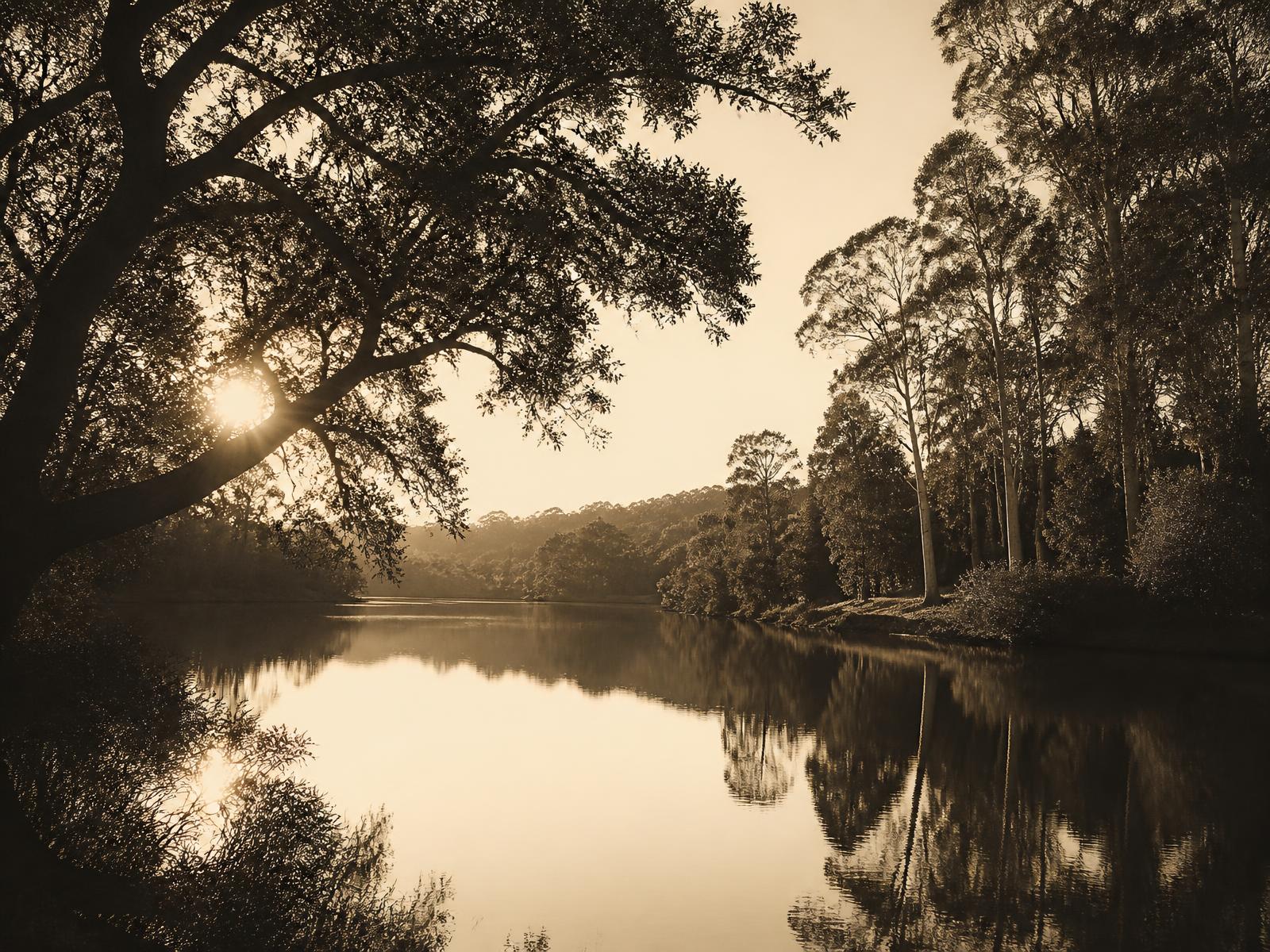
Sessions happen on public trails and paths. Nothing clinical, nothing performative , just two people walking and talking.
How we work with it
No protocol imposed from the outside.
- 01Mapping the specific situations that spike it, without turning your life into a symptom chart
- 02Separating useful signal from old habit, good roots from weeds
- 03Practicing slower, more direct conversations with the people who matter
- 04Building a pace of change you can actually keep once therapy ends