Your PacePsychotherapyBook a free consult
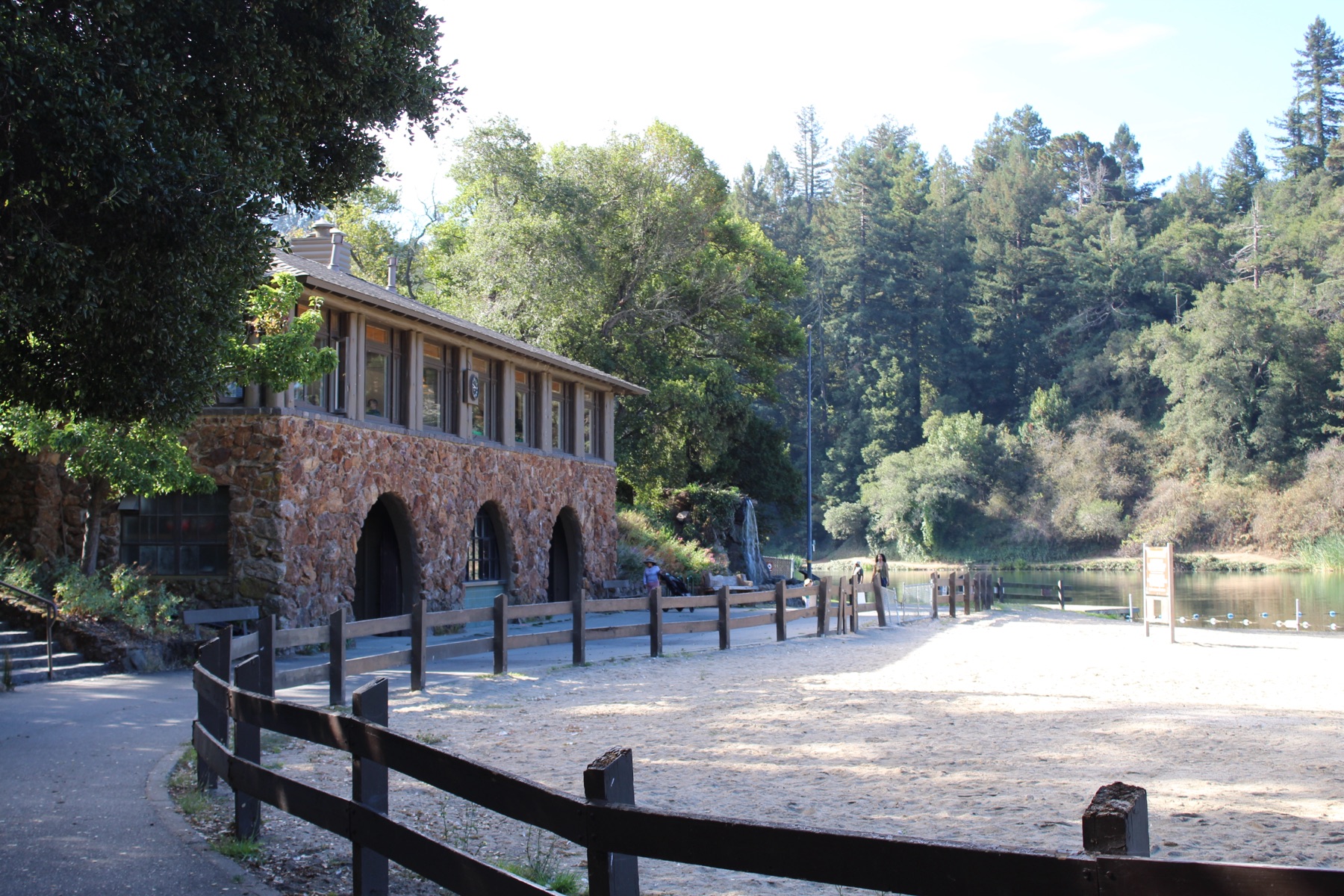
A weathered wooden boathouse standing at the edge of still water beneath tall trees

Resources

Support that doesn't wait for a session

Crisis lines, community support around the East Bay, and the reading behind movement-integrated therapy. Use what's useful here, and treat none of it as a substitute for care from someone who actually knows you.

Right now

If today is hard, start here

This practice doesn't provide crisis or emergency services, and the contact form on this site isn't monitored around the clock. If you need help in the next few minutes rather than the next few weeks, these lines exist for exactly that.

Suicide & Crisis Lifeline
Call or text 988. Free, confidential, and answered 24 hours a day anywhere in the US.
Emergency
Call 911 or go to your nearest emergency room if you or someone else is in immediate danger.
Crisis Text Line
Text HOME to 741741 to reach a trained volunteer by text rather than by voice.
SAMHSA National Helpline
Call 1-800-662-4357. Free, confidential referrals for mental health and substance use, 24/7, in English and Spanish.

Alongside

Support that keeps going between sessions

Therapy is one hour a week. Most of a life happens in the other hundred and sixty-seven. These are organisations that answer when the week is long, whichever row applies to you.

Teens and young people
The Trevor Project supports LGBTQ+ young people in crisis. Call 1-866-488-7386 or text START to 678-678.
New and expectant parents
Postpartum Support International runs a helpline for pregnancy and postpartum mental health. Call or text 1-800-944-4773.
Families and carers
NAMI, the National Alliance on Mental Illness, supports people living with mental illness and the people around them. Call 1-800-950-6264.
Local services
Dial 211 for health, housing, food and counselling referrals in Alameda County and across California.
Grief and loss
Grief support groups in the East Bay vary by season and by kind of loss. Dial 211 or ask on our first call and I'll point you toward one that fits.
Finding a different therapist
If I'm not the right fit, that's worth knowing early. Psychology Today's directory and your insurance panel are both reasonable places to keep looking.

Numbers on this page were last checked in September 2026. If one of them has changed, tell me and I'll fix it.

Further reading

The research behind walking while talking

Four areas of study bear on what happens on a trail. The topics are listed now; each citation goes up only once I've read the source and confirmed it independently, so you'll never find a reference here that I haven't actually checked.

  1. 01Movement and the embodied processing of emotion. Research on how physical activity and bodily awareness shape the way feelings are felt and worked through.Citation being verified.
  2. 02Walking and side-by-side formats in talking therapy. Studies of walk-and-talk counselling and how reduced direct eye contact changes disclosure.Citation being verified.
  3. 03Nature contact, attention and the stress response. Evidence on time outdoors, cortisol, and restored attention — and what it does and doesn't establish.Citation being verified.
  4. 04Bilateral stimulation and memory processing. The mechanism debate behind alternating movement, and what the evidence currently supports.Citation being verified.

Where to start looking

Leads, not citations

The names below are the ones most often attached to each of the four topics above. They are starting points for your own search, not references I have checked and endorsed — so follow them to the source before you rely on any of it, and expect to discard a few.

01 · Movement and embodied processing

  • van der Kolk, B. The Body Keeps the Score. Viking, 2014.
  • Ogden, P., Minton, K. & Pain, C. Trauma and the Body: A Sensorimotor Approach to Psychotherapy. Norton, 2006.
  • Ogden, P. & Fisher, J. Sensorimotor Psychotherapy: Interventions for Trauma and Attachment. Norton, 2015.
  • Levine, P. Waking the Tiger. North Atlantic Books, 1997.
  • Varela, F., Thompson, E. & Rosch, E. The Embodied Mind. MIT Press, 1991.

02 · Walking and side-by-side formats

The thinnest literature of the four, and I have no single paper worth naming. Start with the journals rather than a name: Counselling and Psychotherapy Research and the Journal of Contemporary Psychotherapy. Search terms that surface the most: “walk and talk” therapy, ecotherapy counselling outcomes. This one may be worth a librarian.

03 · Nature contact, attention, stress

  • Ulrich, R. S. “View through a window may influence recovery from surgery.” Science, 224(4647), 420–421, 1984.
  • Kaplan, R. & Kaplan, S. The Experience of Nature: A Psychological Perspective. Cambridge University Press, 1989.
  • Bratman, G. N. et al. “Nature and mental health: An ecosystem service perspective.” Science Advances, 5(7), 2019.

04 · Bilateral stimulation and memory

  • Shapiro, F. Eye Movement Desensitization and Reprocessing: Basic Principles, Protocols and Procedures. Guilford Press.
  • The mechanism debate sits in the dismantling literature rather than in any one paper. Search: EMDR dismantling studies, bilateral stimulation working memory taxation.

If you'd rather read the primary literature yourself, PubMed and Google Scholar are free and both index this territory well. A university or public library card usually opens the full texts.

If something on this page raises a question about your own situation, that's worth a conversation rather than a search.

Book a free phone consult